
Nutrition is a critical factor in maintaining a healthy lifestyle, but many misconceptions exist about what constitutes a balanced diet.

This blog post will explore the fundamentals of nutrition and provide key guidelines for achieving a balanced diet that meets your individual needs.
Going beyond the basics, we’ll look at how certain dietary habits can improve health while learning some effective strategies to ensure you stay on track with your nutrition goals.
By breaking down each component within the principles of nutrition, this blog post will help equip you with all the knowledge necessary to establish an optimal nutritional level and guide you toward living a healthier life
What Are The Components Of A Balanced Diet & How Can We Approach Principles Of Nutrition?
Let’s talk about the components of a balanced diet and some of the principles of nutrition to keep your body healthy in the long run:
- Water
Most people don’t consume water unless they feel the need to do so, such as in the case of extreme thirst.

Even if you don’t have any thirst sensations, you still need to drink water to keep your body hydrated. To keep from getting dehydrated, sip water regularly throughout the day.
Eight glasses of water each day is the minimum amount recommended by doctors. Water is your ally because of all the ways it can help you.
Some examples are as follows:
- Water removes poisons
- Water improves mood
- Water promotes healthy digestion
- Water eases fatigue
- Water promotes weight loss
Do you really want all these benefits? If so, why not up your water intake a little bit today?
- Carbohydrates
Carbohydrates provide a lot of energy and should make up about 60% of a person’s daily calorie intake, or 310 grams. Eat a lot of carb-rich foods like rice, pasta, potatoes, and wheat if you plan on doing a lot of physical work throughout the day.
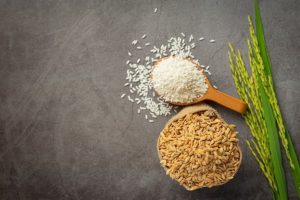
Including this in your daily diet is essential to eat a balanced diet.
- Minerals
Minerals play a role in the breakdown of food into usable energy and interact with organs to spur development. Iron aids energy production, and calcium helps build strong bones and teeth.
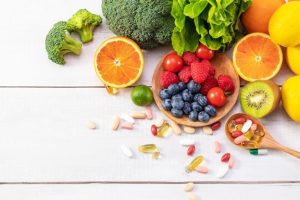
Again, many minerals are available nowadays, but iodine, potassium, sodium, and others are the most crucial for your diet.
- Omega-3 Fatty Acids
Many individuals stay away from fat because they believe it would make them obese, but this is not the case.

Dairy products, beef, and fish are all excellent sources of healthy fats. Their primary role is to aid in temperature control and vitamin absorption.
They aid in a steady supply of energy, making them ideal for marathoners. A daily intake of about 70 grams is recommended for every one of us.
- Protein
Protein is another important part of a well-rounded diet; while it is true that lean meat is the best source of protein, it has been shown that there are other food options that are just as good.
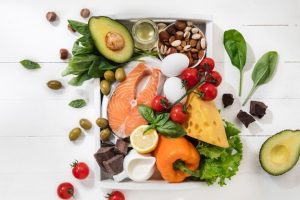
Skin, hair, and muscle are the primary tissues that benefit from protein consumption.
- Say No To Processed Foods
Due to their high sugar, salt, and fat content, processed foods harm your health more than good.

To make up for the absence of sugary and fatty foods, whole grains and fresh produce can be substituted.
Consider switching to a 100% whole wheat diet to provide your body with more consistent energy. This would be foods like whole-grain pasta, brown rice, and whole-wheat bread.
| “If anything is worth doing, do it with all your heart.” |
- Final Remarks
To sum up, following the principles of nutrition and creating a balanced diet can immensely impact your mental and physical health.
Eating foods with wholesome ingredients and healthful proteins, carbohydrates, and fats will bear results in no time. Other advantages include reducing the risk of chronic illness, promoting good digestion, assisting with weight management, and offering mood-lifting effects from consuming essential vitamins and minerals.
As such, by supplementing your diet with protein sources like legumes, lean meat, nuts, and seeds; carbohydrate sources like vegetables, fruits, and potatoes; and fat sources like olive oil or avocado oil, you are placing yourself on the path to maintaining optimum health.