
Humans are not plants, we do not get energy from the Sun and sunlight, but exclusively from food. Food is our life’s necessity and fuel. We have to eat. When we don’t eat enough, we don’t even have enough energy for all life functions. Proteins are our building material. We are one big protein, so protein is our most essential macronutrient. Without them there is no hormone production. Insulin is a protein, collagen is also, our complete metabolism consists of functions that are carried out using proteins.
It is important to know that protein reserves cannot be created in the body, they do not accumulate, and what the body does not use in a few hours, is thrown out.
If we do not eat the next meal with proteins in four to five hours, the body is again in deficit. So, if we don’t eat a balanced diet all the time, we can occasionally be in a protein deficiency. Even in these situations, the body has problems, it cannot produce enough enzymes, some neurotransmitters, and again we end up with some health problems.
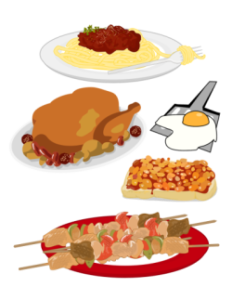
Proteins of animal origin are of the highest quality – meat, fish, eggs and dairy products, but there are also proteins in legumes, nuts and green leafy vegetables. In case of intolerance or other problems that prevent someone from eating protein, they can take in pure amino acids. Essential amino acids are also important here, i.e. those that the body cannot produce on its own, but must be ingested exclusively. And yes, the body needs all 13 essential amino acids.
The target protein intake for health and longevity in the general population is from 1,2 to 1,6 grams per kilogram of body weight.
For physically active people, the range is from 1,6 to 2,2 grams per kilogram of body weight.
In conditions of caloric restrictions, slightly higher intakes are desirable, so here you can aim for a range from 1,9 to 2,5 grams per kilogram of body weight.